Strong Solution Compatible with the Ground: What is Geotextile?
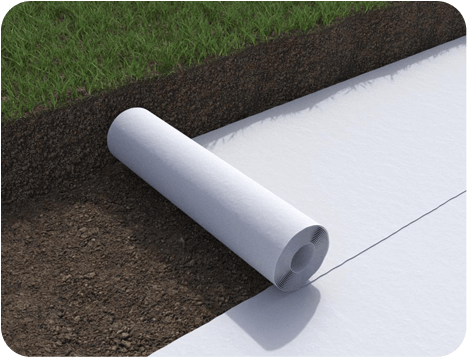
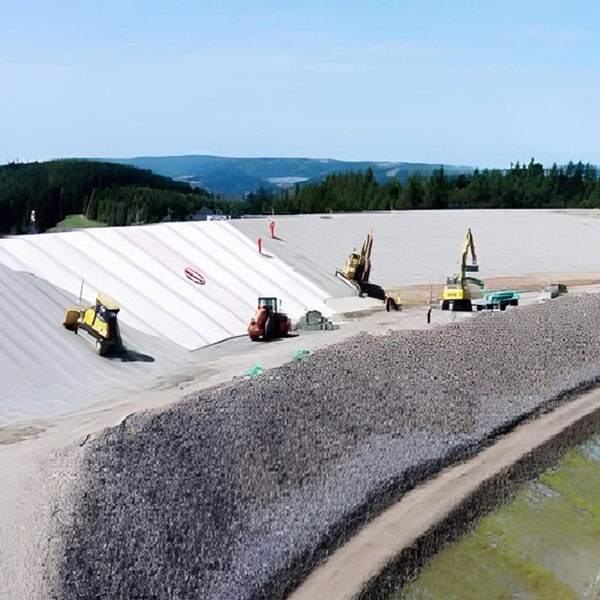
Geotextiles (GTX) are permeable textile-based materials used in geotechnical and civil engineering projects. Made from natural or synthetic polymers, these planar products fulfill numerous functions such as improving the mechanical properties of the soil, providing filtration, preventing erosion or separating different soil layers. Geotextiles, defined according to the EN ISO 10318-1 standard, support safety and longevity in infrastructure applications such as dams, roads, railways, tunnels, embankments and drainage.
Flexibility Suitable for the Project: Geotextile Types
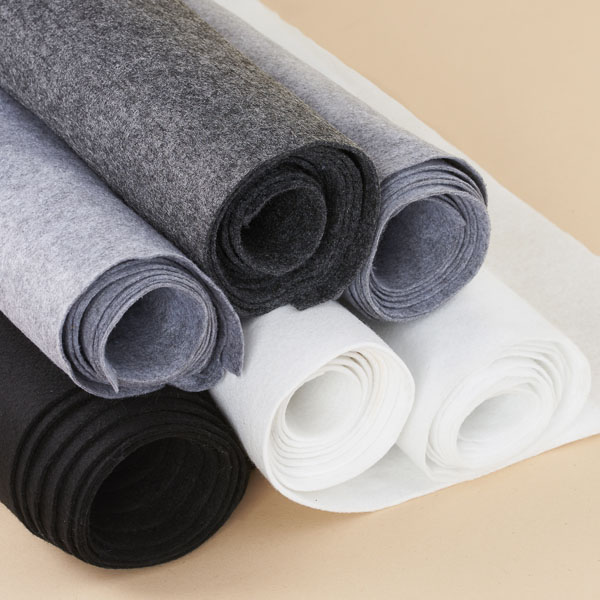
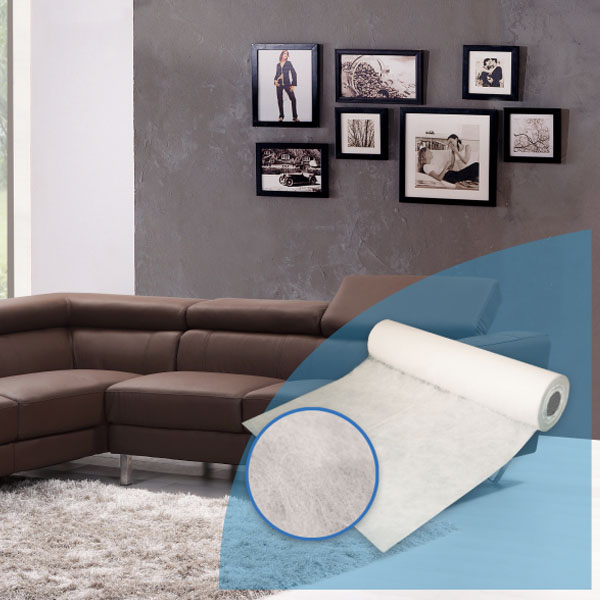
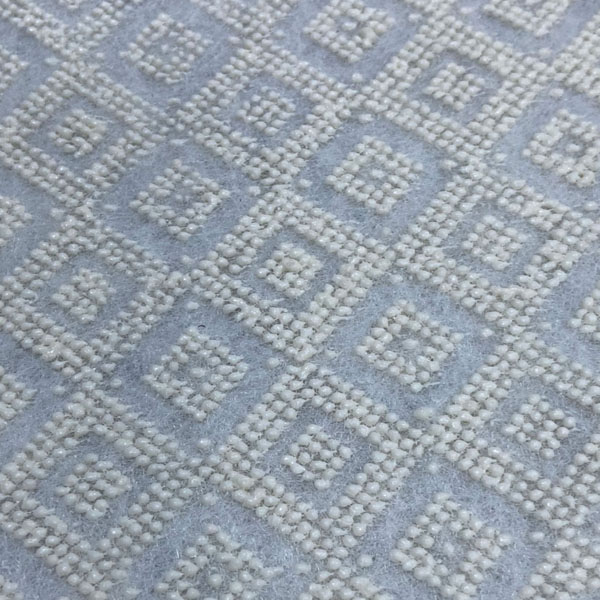
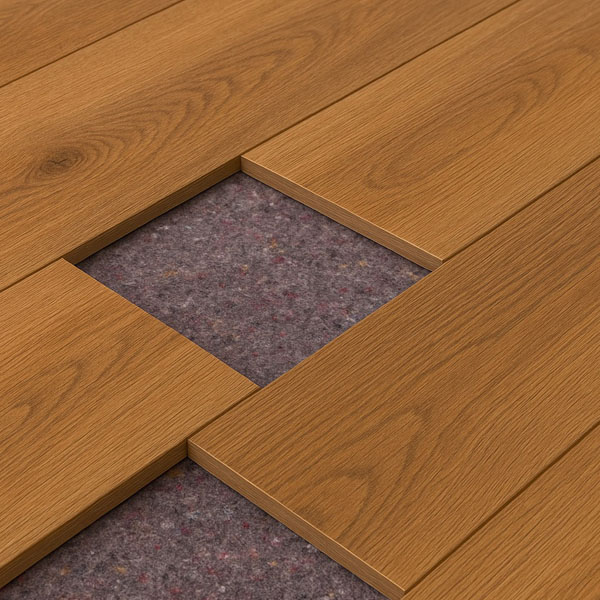
Geotextiles are divided into three main groups: Non-woven (GTX-NW), Textured (GTX-K) and Braided (GTX-W). Non-woven geotextiles are produced by pinning or heat-fixing fibers together and are also known as geotextile mats. This type is characterized by its high filtration and drainage ability. Textured and woven geotextiles are formed by combining yarns with weaving techniques and are generally preferred in applications requiring high tensile strength. Each type of geotextile is selected according to the technical needs of the project, enhancing the performance and durability of engineering structures.
Geotextile for Functional Structures in Compliance with Standards
Geotextiles are designed in accordance with the EN ISO 10318-1 standard and their permeable structure allows the passage of water while retaining soil particles and ensuring soil stability. Thanks to these properties, they successfully fulfill both filtration and separation tasks. Their long life, durability and resistance to environmental influences make geotextiles indispensable in engineering applications.
Geotextiles are offered in three different forms according to the needs of the structures: Non-woven (GTX-NW), Textured (GTX-K) and Braided (GTX-W). Especially the first group, non-woven geotextile, is widely preferred thanks to its felt structure. When selecting the material, the most suitable geotextile type is determined by considering the soil structure, load carrying capacity and drainage requirements. In this way, maximum performance is achieved in the application area.